June 17, 2026
This article explores the various factors and timing considerations for hiring professional tree services. Understanding the right time and circumstances for calling in the experts can help maintain the health and beauty of your trees while ensuring safety and compliance with local regulations.
Understanding Tree Health
Identifying Signs of Infestation
Trees, much like any other living organisms, are susceptible to pests and infestations. Common signs include chewed leaves, discolored bark, or a noticeable presence of insects. It's essential to catch infestations early to prevent irreversible damage. A professional tree service can effectively assess the situation and recommend the best course of action. According to Zipdo, about 62% of U.S. homeowners hire tree service companies at least once per year for maintenance or removal.
Detecting early signs of infestation can save your trees from severe damage. Monitoring your trees for unusual behaviors such as leaf drop or deformities can indicate an underlying problem. Some pests are specific to certain tree types, and knowing which ones to look out for can make all the difference. When in doubt, consulting a tree specialist can ensure your trees are treated with the correct solutions. Routine assessments can prevent the spread of pests to other trees in your landscape.
Tree experts use their knowledge to identify the type of infestation and develop an appropriate treatment plan. They not only address the current threat but also implement preventive measures. Preventive care might include regular trimming, soil treatments, or introducing beneficial insects. Encouraging diversity in your planting can also naturally deter some pests. Understanding these practices helps maintain tree vigor and prevents future infestations.
Spotting Disease Symptoms
Like pests, diseases can threaten tree health. Symptoms like leaf discoloration, unusual growths, or early leaf drop can indicate diseases. Affected trees might exhibit wilting or structural weaknesses that require attention. Proper identification is crucial as different diseases demand different treatment methods. Tree services are knowledgeable about such diseases and can offer solutions tailored to your trees' specific needs.
Early detection of tree diseases can significantly impact the success of treatment. Observing your trees for any abnormalities can be the first step in avoiding further spread of pathogens. If left untreated, a diseased tree can become a liability, affecting the surrounding landscape fauna. Tree professionals can diagnose these conditions early, mitigating the risks to your trees and property. Prevention is often more manageable than dealing with extensive damage.
Tree care specialists often employ a mixture of pruning, chemical treatments, and cultural practices to manage tree diseases. By maintaining optimal tree conditions, such as proper watering and soil health, they can reduce the likelihood of disease occurrences. Engaging in regular spring and fall maintenance can bolster tree resilience. Trees, when adequately cared for, enhance property aesthetics and ecosystem balance. Such measures turn potential tree vulnerabilities into opportunities for growth and renewal.
Evaluating Tree Age and Longevity
Determining a tree's age and expected lifespan helps prioritize tree care actions. Younger trees require different care than aging ones, which may need support or monitoring. A professional will examine factors like trunk girth, growth rings, and environmental history to estimate age. Older trees might need reinforcement or disease management to prolong life and ensure safety. Using these insights, you can decide whether to maintain, replace, or rejuvenate your trees.
A tree's lifespan depends heavily on its species, location, and care history. Some species naturally live longer and withstand adverse conditions better. Tree services can help extend tree life by implementing strategies such as regular maintenance and proactive treatment plans. Addressing issues early protects against potential weakness or diseases. With professional guidance, even older trees can thrive and continue contributing to your landscape's allure.
Professionals provide insights into maximizing your tree's life expectancy through measured interventions. These interventions might include soil amendments, targeted pruning, and structural support. Understanding and anticipating the needs of older trees is crucial in preserving landscape assets. Regular health checks determine when intervention is necessary, reducing the chance of disease or decay. Ensuring older trees' viability supports property value and biodiversity.
Analyzing Safety and Risk Management
Addressing Storm Damage
Storms can result in significant tree damage, posing safety risks and aesthetic concerns. Addressing storm impacts promptly protects both people and property. Tree services assess structural vulnerabilities and perform necessary repairs or removals. Professionals swiftly identify unsafe branches or standing deadwood, reducing hazards. Immediate intervention post-storm stabilizes trees, preventing property and infrastructural damage.
Tree service providers play a critical role in storm recovery with specialized expertise and equipment. They determine the best post-storm course, mitigating further risks or decay. Their actions prioritize safety, balancing immediate removal with future recovery considerations. Indeed, a key facet of their service is protecting trees while securing the environment. Early storm response ensures landscape stability and safety.
Post-storm evaluations by skilled providers diagnose structural integrity and potential hazards. Bracing or cabling might be employed to reinforce compromised trees. Responsive care following weather events reduces negative visual and functional impacts. Working alongside professionals to manage storm impacts enables swift and effective recovery. A proactive recovery protocol minimizes the adverse consequences of unpredictable weather.
Preventing Power Line Interference
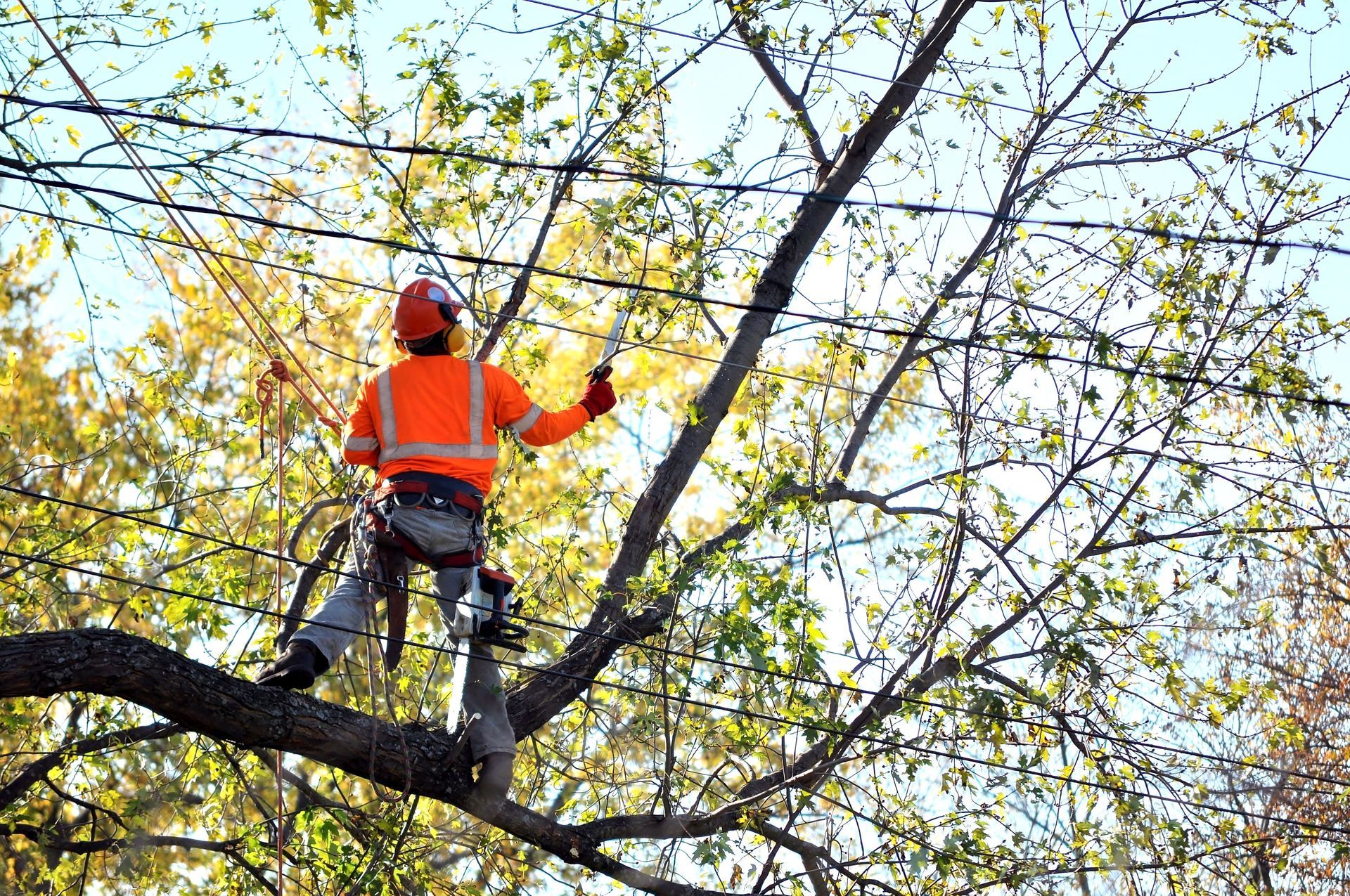
Tree proximity to power lines presents safety concerns requiring professional solutions. Overhanging branches can cause outages or dangerous conditions high above ground. Professional tree services provide preventive pruning and assessments to mitigate these risks. For successful management, their insights help on appropriate distance and growth regulation. Skillful navigation averts liabilities and sustains safe, reliable power infrastructures.
Tree services advise regular monitoring and assessment for trees growing near utility lines. Through timely measures, they prevent accidental interference and maintain community safety. Their operations include safe removal standards, ensuring compliance to regulations. Scheduled interventions prioritize sustainable power line cohabitation and tree health. Balancing growth management with safe power supplies strengthens infrastructural integrity.
Electric utility collaborations reinforce efforts to manage tree growth near power lines. Professionals assess risk scenarios, providing guidance on trees unsuited for proximity zones. Their efforts reduce electrical hazards, promoting peaceful coexistence between trees and infrastructure. Coordination fosters harmony, enhancing safe environmental advancement. Qualifying professionals ensure effective solutions aligned with safety perspectives.
Mitigating Structural Risks
Trees with structural weaknesses pose safety hazards and necessitate professional intervention. Splits, leaning, or unbalanced growth are indicators that require attention. Tree services specialize in diagnosing structural issues and recommending reinforcement strategies. Their expertise enables assessments to prioritize remediation or removal actions. Ensuring tree stability prevents accidents and guards against adverse consequences.
Professionals provide crucial support in managing trees with potential structural hazards. Lightweight support systems or carefully executed pruning maintain structural balance. Detailed evaluations address growth imbalances to preemptively stabilize at-risk trees. Services mitigate inherent dangers by orchestrating carefully planned corrective measures. Comprehensive risk strategies guarantee not just tree safety but also environmental harmony.
Evaluating structural risks involves regular monitoring and strategic management. Professional guidance reinforces methods like precision pruning to augment structural integrity. Analyzing growth dynamics ensures intervention timing aligns with correct support actions. Through routine care protocols, potential hazards are minimized while health persists. Proactive involvement maintains a cohesive landscape, devoid of structural uncertainties.
As you can see, many times are perfect to hire tree services. Ensuring that you understand tree health and common risks helps you better understand the right time to call for professional help. If you need tree services, call Mineri Landscaping LLC today!