October 15, 2026
Environmental sustainability has become a cornerstone of responsible property care, encouraging homeowners to evaluate how outdoor maintenance practices affect surrounding local ecosystems. Trees offer critical ecological benefits by purifying air, stabilizing topsoil, conserving groundwater, and providing essential shelter for native wildlife species. When mature trees become diseased, structurally compromised, or hazardous to nearby structures, removing them becomes necessary to safeguard human life and property. Traditional extraction methods, however, can inflict heavy collateral damage on surrounding soil profiles, delicate understory vegetation, and nearby root systems if executed without proper ecological foresight.
Adopting eco-conscious practices transforms standard outdoor maintenance into a regenerative process that actively protects natural resources across the property. Hiring a professional tree removal service allows property owners to address hazardous limbs and decaying timber while preserving the health and aesthetic integrity of their landscape. Comprehensive land care involves balancing necessary timber management with long-term environmental preservation, ensuring that essential tasks like tree trimming, stump grinding, and lot clearing support ongoing ecological health. Through careful planning, low-impact equipment, and proactive replanting efforts, property care becomes an opportunity to champion environmental stewardship.
Understand Environmental Impacts in Local Ecosystems
Unplanned tree extraction can disrupt delicate environmental balances, altering sunlight exposure, moisture retention, and soil composition across a property. Large trees act as natural anchors, stabilizing ground layers through extensive root networks that absorb groundwater and prevent topsoil erosion during severe storms. Removing a mature canopy without assessing ground stability can lead to accelerated soil erosion, increased storm runoff, and rapid nutrient depletion within the yard. Native birds, beneficial insects, and small mammals relying on mature timber for shelter face habitat fragmentation, forcing local wildlife populations to relocate into less suitable environments.
Traditional extraction methods often rely on heavy machinery that causes severe soil compaction, destroying crucial soil aeration and harming microscopic organisms vital for plant nutrition. Operating heavy equipment without protective matting damages non-target root structures, leaving surviving vegetation vulnerable to aggressive fungal infections and decay. Partnering with an experienced tree removal service helps mitigate these operational risks through careful site evaluations and precise removal strategies. Strategic planning ensures that decaying or hazardous trees are removed safely while surrounding root networks, topsoil layers, and native animal habitats remain protected.
Adopt Sustainable Principles in Modern Practices
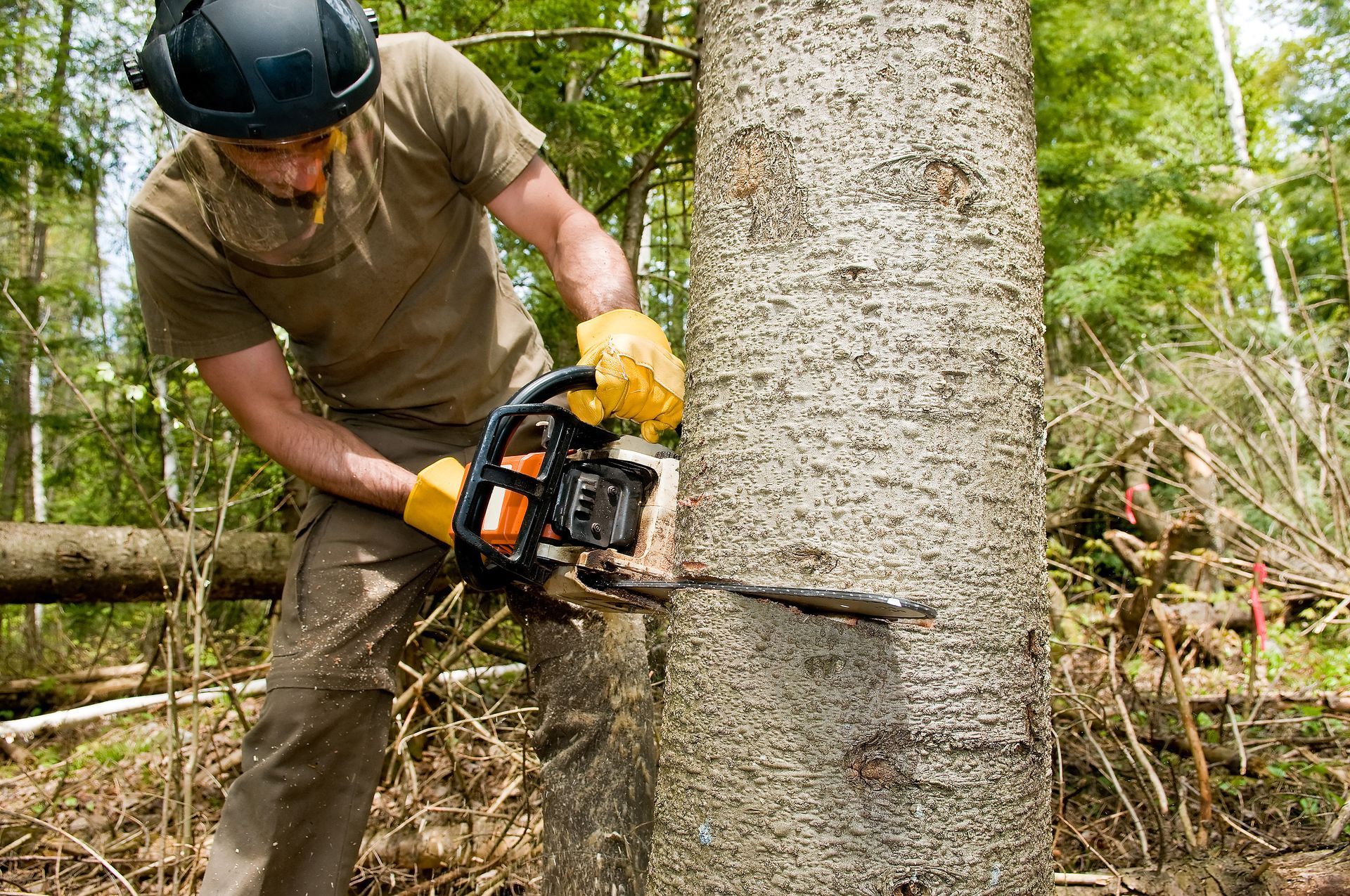
Sustainable arboriculture rests on minimal intervention, prioritizing tree preservation and health restoration whenever possible during land care projects. Experienced professionals perform detailed health assessments before deciding whether complete extraction is required for property safety. In many instances, structural bracing, selective pruning, or targeted disease management can stabilize aging trees, allowing them to remain safely in place for years. When complete extraction becomes unavoidable, sustainable principles guide certified crews to execute controlled dismantling, lowering branches systematically to avoid damaging surrounding understory plants.
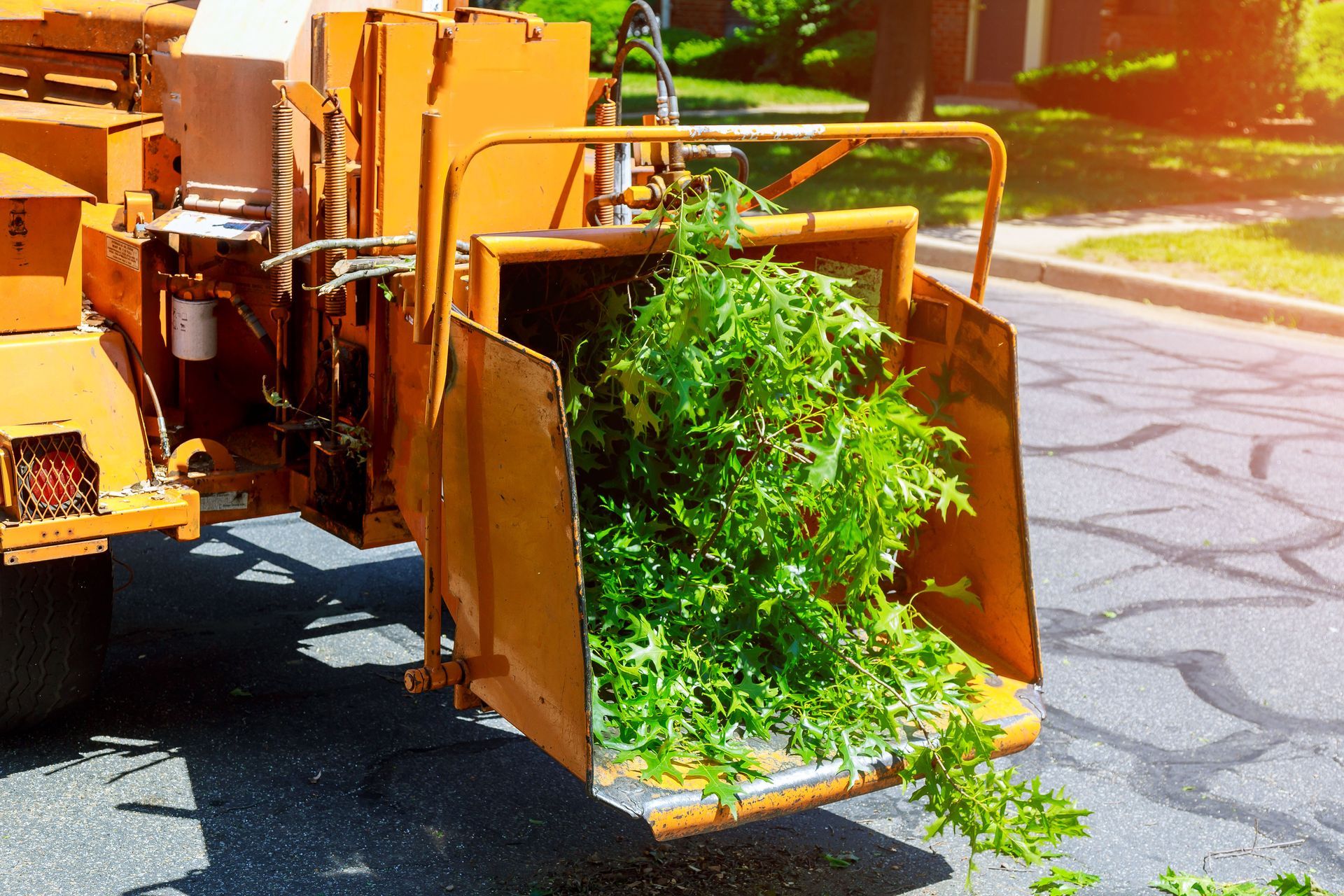
A vital aspect of eco-conscious land management involves recycling organic waste generated during comprehensive outdoor projects across the yard. Rather than depositing timber, limbs, and foliage into landfills, sustainable crews repurpose raw organic materials directly on site for landscape use. Hiring an eco-conscious tree removal service guarantees that organic debris is converted into protective wood chips, organic compost, or useful firewood for local heating. Returning chipped mulch to garden beds helps regulate soil temperature, retain groundwater, and suppress weed growth, effectively closing the nutrient loop within the local ecosystem.
Select Qualified Contractors for Residential Properties
Choosing the right land care provider requires thorough research into company field practices, equipment, and environmental credentials. Property owners should look for fully insured professionals who prioritize low-impact equipment, certified safety procedures, and sustainable waste disposal practices. Asking prospective contractors clear questions about ground protection measures, machinery emissions, and material recycling protocols provides valuable insight into their commitment to ecological preservation. Responsible operators readily explain their step-by-step methodologies for minimizing turf damage and protecting nearby plant life during complex extractions.
Working with dedicated field specialists ensures that complex land management projects are executed safely without harming surrounding structures or delicate landscapes. A reliable tree removal service maintains transparent communication throughout the process, offering detailed project plans that outline protective measures for surrounding turf, ornamental gardens, and subterranean utility lines. Selecting a conscientious partner gives property owners complete confidence that their outdoor improvements align with recognized environmental standards and local conservation guidelines.
Deploy Precision Tools in Professional Operations
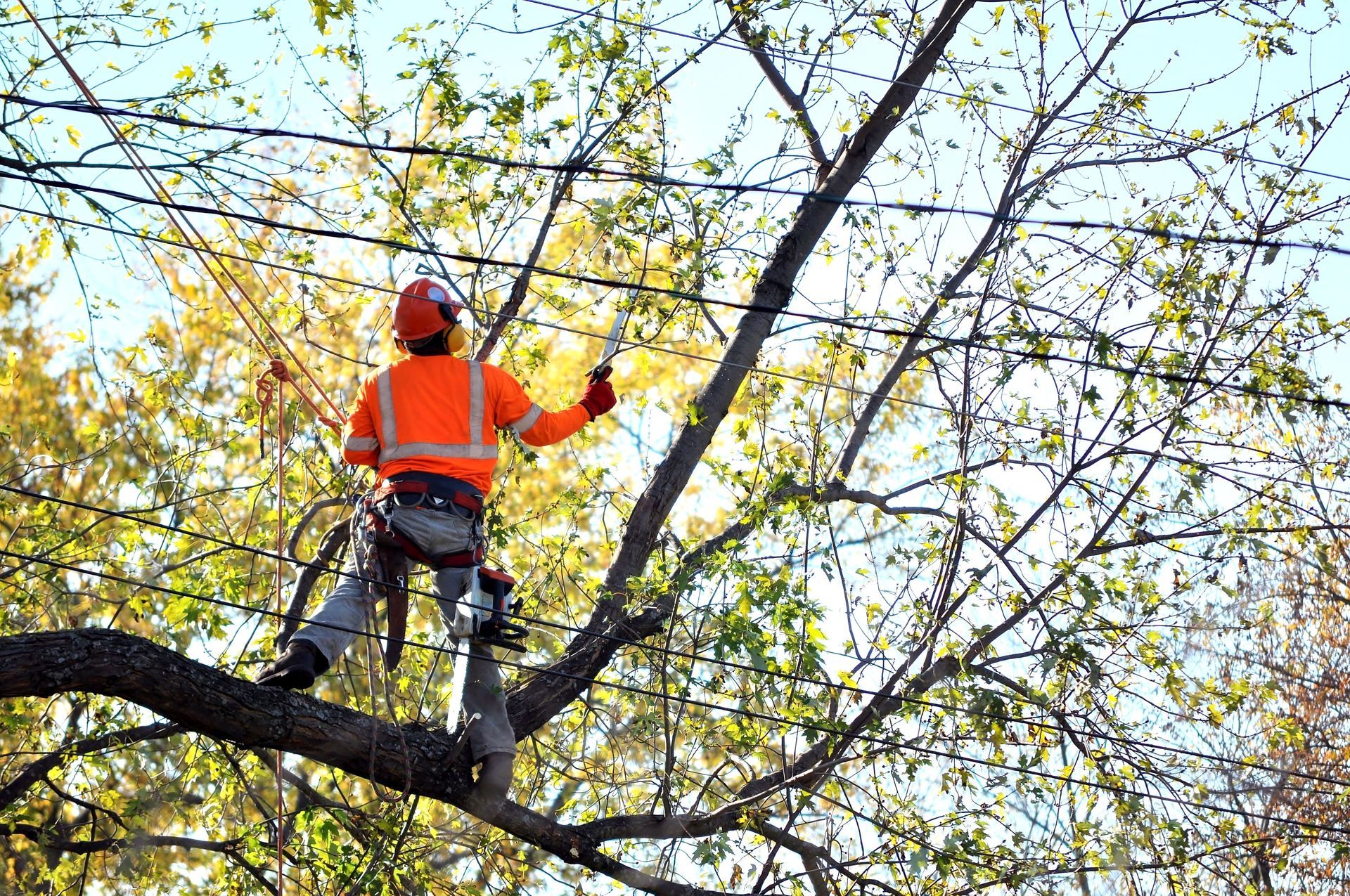
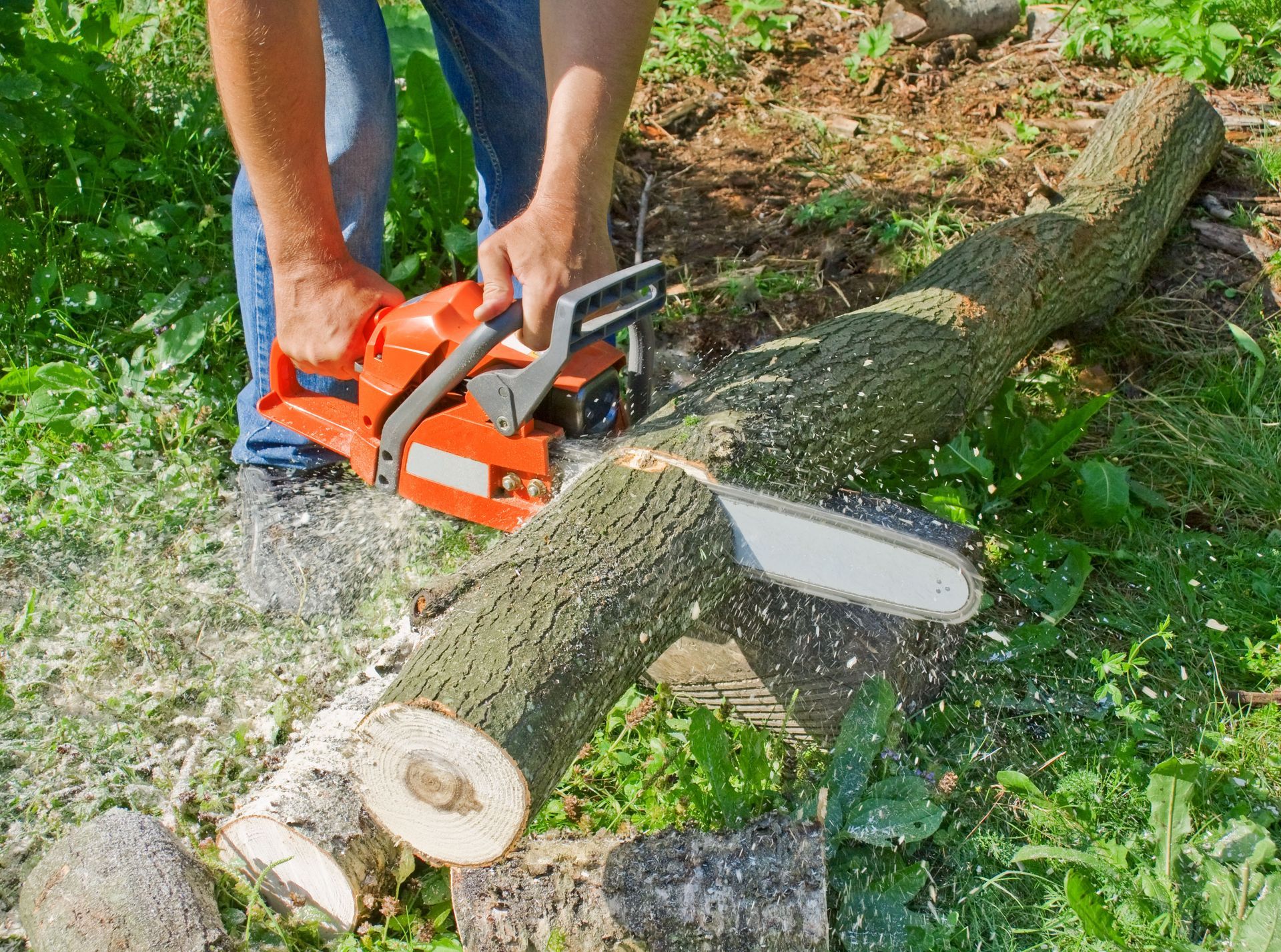
Modern technology has transformed professional tree care, introducing advanced equipment engineered to maximize operational precision while reducing environmental disruption across properties. High-performance electric chainsaws, battery-powered saws, and low-emission cranes allow crews to perform delicate limb removals with minimal carbon emissions and negligible noise pollution. Specialized rigging systems enable arborists to lower heavy sections of wood safely, preventing timber from crashing onto surrounding turf, flower beds, or neighboring structures during complex tree operations.
Equally important are specialized stump grinding techniques that eliminate subterranean root masses without destroying surrounding soil profiles or adjacent plant communities. Utilizing lightweight, tracked equipment reduces ground compaction significantly, preserving delicate soil structures and beneficial fungal networks beneath the lawn surface. Enlisting an advanced tree removal service ensures access to state-of-the-art machinery that performs lot clearing and selective timber extraction efficiently while preserving the health of adjacent vegetation.
Restore Natural Habitats for Regenerative Landscapes
Post-removal care is essential for restoring environmental balance and preparing the soil for future plant growth across the property. Once timber is extracted, applying thick layers of organic mulch helps retain soil moisture, suppress opportunistic weeds, and prevent topsoil erosion across exposed ground areas. Correcting ground elevation through careful grading stabilizes the land, ensuring that rainwater infiltrates naturally rather than creating destructive surface runoff. Restoring depleted topsoil with organic matter helps replenish soil microbes and creates ideal conditions for healthy root development.
Replanting native species is an effective way to restore local biodiversity and compensate for lost canopy cover across the landscape. According to This Old House, young trees should be positioned at least 15 feet away from houses, paved walkways, driveways, and neighboring foliage to provide sufficient growing room and prevent structural interference. Working alongside a skilled tree removal service ensures that site restoration is planned thoughtfully, helping young saplings establish deep root systems without crowding surrounding infrastructure.
Engage Local Communities in Sustainable Projects
Urban and suburban forestry requires strong community involvement to maintain healthy canopy coverage across shared municipal and residential spaces. Public education programs, neighborhood planting initiatives, and collaborative conservation projects empower residents to take active roles in local land care. By understanding how proper tree trimming, disease control, and timely removals protect communal landscapes, neighborhoods can work together to prevent storm damage and enhance regional biodiversity across communities.
Community-wide dedication to eco-friendly land care yields long-term environmental and aesthetic dividends for entire towns and surrounding neighborhoods. Encouraging local participation in tree planting drives and invasive species management fosters vibrant habitats for urban wildlife populations. Partnering with a dedicated tree removal service allows community leaders and homeowners to maintain safe utility corridors and pristine common areas while nurturing a greener, more resilient environment.
Prioritizing eco-friendly tree care is essential for preserving the health, beauty, and ecological resilience of residential landscapes across our region. By understanding the environmental impacts of timber extraction, adopting sustainable arboricultural principles, utilizing low-emission equipment, and engaging in proactive site restoration, property owners can protect vital natural habitats. Every responsible land care choice contributes directly to soil conservation, wildlife protection, and overall ecosystem stability.
Taking a holistic approach to property care ensures that hazardous trees are managed safely without sacrificing the long-term vitality of surrounding greenery. From selective tree trimming and efficient stump grinding to comprehensive lot clearing, sustainable practices protect your property investment while honoring the natural environment. To receive expert care tailored to your property's unique landscape needs, contact us today at Mineri Landscaping LLC.